
The other six: VR hardware projects funded on KickStarter
Apart from the Oculus Rift, there are currently six other Virtual Reality hardware projects that have been successfully funded through KickStarter

Farming machinery’s next big move? Stop getting bigger
Squeezing bigger crop yields out of the soil by just upgrading to larger, heavier, more powerful machines doesn’t look sustainable. Up to 90% of the energy used in crop cultivation is wasted on dealing with the damage caused by the cultivation equipment itself
Lean Startup Methodology, Critical Design Theory: Separated at birth?
Lean startups use wild speculations about imaginary products to start conversations with customers aimed at eliciting real requirements. Critical Design aims to make things which provoke enlightening responses. Snap?
Could Luton turn out to be the UK’s first Silicon Town?
Everyone’s looking for the UK’s next startup hotspot, but they might not be looking in the right place
Top guitar innovation videos of 2012
Yes, you’ll find some pretty lame excuses for also including some (admittedly awesome) clips which are sometimes more about exceptional inspiration than innovation
The MOOCs are coming! The MOOCs are coming!
The educational world, terrified by Massive Open Online Courses, is putting on a brave, smiling face and joining in, because it sees them as unstoppable and hopes it can somehow survive and even benefit from them
Startup mentoring: is there something missing?
The list of services that an officially accredited UK mentor is NOT allowed to provide just boggles the mind
New Bond Thriller, With Social Impact
Don’t let the impenetrable jargon put you off. Social Impact Bonds, which bring “only paying for success” to public funding for privately-run social projects, are genuinely innovative. But will they make a real difference?
What happens when government goes ‘Third Platform’?
We’re told endlessly how ‘running everything from the cloud’ shreds costs for startups, so does this mean that even government could be run cheaply, if they do this too?
Nomination For the 2012 Infinitely Improbable Pivot Award
And you thought AirBnB’s Chesky’s early switch into repackaging breakfast cereals which he eventually had to eat in order to survive would clinch it? Nope. Not improbable enough.
Fixing the ‘unsolved problem shortage’ that holds back potential startup founders
Shortages of easily-tackled unsolved problems are a first world problem: elsewhere, countless established ‘solutions’ are just unaffordable, each one a gift to any problem-seeking would-be entrepreneur
Codecademy horror? 40 years of research into computer learning ignored
The ‘teach yourself to program’ site is just not equipped to have an intelligent conversation about any problems you’re having as you go along. What impact is this having on the dropout rate?
Is blaming PowerPoint really just “shooting the messenger”?
It turns out that claims of causing “Death by PowerPoint” may conceal a far more pernicious offense: our unpardonable ignorance of how human attention actually works

1.8 million regular listeners to a US science and philosophy radio show?
Is the BBC’s long-established domination of ‘serious’ talk radio finally seeing a serious challenge?
What if you made startups exempt from ALL corporate regulation?
Health and safety rules? Hiring and firing legislation? Tax?
Scientists, so impractical? The results are in: Commercial Targets: 0, Freedom: 1
Scientific creativity. An engine of growth and innovation, held back by a lack of market focus and managerial discipline? So a stricter commercial regime should turn science into a lean, mean, innovation machine, right? Well…

Double your (dole) money?
Startup founders, while their venture is still revenue-free, are not really self-employed. Unless they’ve also got a day job, they’re technically unemployed. This fact opens up opportunities for some really imaginative startup incentives
Shattering our Customer Relationship Management delusions
Ever wondered what would happen if anyone actually bothered to check out those incessant claims everyone makes that ‘customer service standards are constantly improving’?
Educational reform as we know it will die
Renowned educational critic Steve Peha is unconvinced that any of the current or proposed major educational reform initiatives will change anything. Ever.
Dragging small traditional businesses into the startup innovation ecosystem
Small traditional businesses? They’re already ‘inside’ the startup world, aren’t they? No. They typically know nothing about such things as Lean Startup, Startup Weekend or Y Combinator, and even when they do, they think it has nothing to do with them. Are they right?

iij top 20 upcoming innovation books for 2012
There’s a growing interest in introducing an entrepreneurial approach to innovation, whether its happening inside or outside the established organisation
Innovation fixation?
Are so-called ‘clone startups’ (those hoping to be acquired by the mothership after creating a successful, ‘local language lookalike’) too easily dismissed as ‘non-innovators’?
Need to recover from ‘startup overreach’?
Ty Danco’s ludicrously improbable but riveting tale definitely belongs in the history books, alongside AirBnB’s legendary ‘survive by literally eating your own marketing material’ yarn
Can entrepreneurialism be automated?
If Artificial Intelligence is going to automate the world’s entire workforce, we’re all going to need to give up any hope of employment and become startup entrepreneurs and innovation investors instead. They couldn’t possibly automate those, could they?

Congratulations! you’re eating the world’s first human(e) hamburger!
No dead cows, just real, sustainable beef, made with nothing but yummy stem cells and a touch of magic! All yours for a sizzling €250,000 each. And they’ll get cheaper and cheaper with every passing year (can we call that Moo’s law?)
What on earth does a conservation entrepreneur do?
Is it just all about ‘making the right noises’, or can they make a real difference?

Khan Academy 2.0?
After my initial TED-talk-inspired enthusiasm, I became seriously disheartened by the seemingly unanswerable criticisms of Khan Academy’s fairly unadventurous ‘talk and chalk’ style tutorial videos as not really representing a genuine step forward in education. But…
Innovation competitions: why we need more of them
We’d all be forgiven for imagining that TechCrunch Disrupt and the DEMO Conference were the only regularly held innovation competition events worth talking about, as far as the tech media were concerned. So imagine my surprise…
Can you get sustainable power stations for nothing?
Industrial energy waste turns out to be the most surprisingly overlooked opportunity to make outrageous returns on investment. Energy efficiency in industry is a shockingly untapped market. Modernisation at a single large industrial plant can free up an entire power station
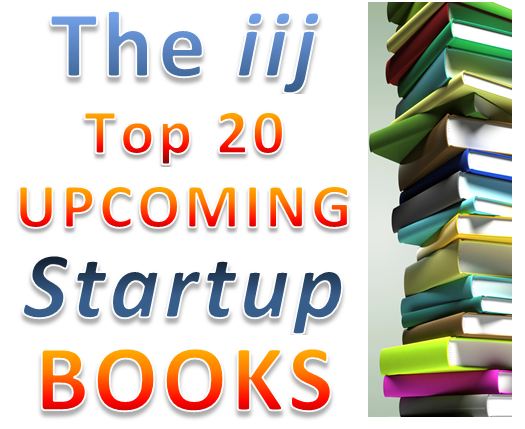
The iij Top 20 upcoming startup books, fall 2011
The range of startup titles has expanded dramatically this year, and whatever economic surprises may be in store for us in 2012, this particular sector is looking unstoppable.

Biomimetic business modelling?
If McKinsey’s believe in it, then even if you are unsure, you’d better get the best briefing you can: these videos may raise just as many questions as answers, but they’re a good starting point
Has the last fence fallen? Outperforming human emotional sensitivity
Computers understand us if we talk to them as if they were stupid. But when humans talk to each other, we talk in complex social riddles that have always left computers utterly confused about our intentions. Until now.
Steve Blank feels immigration can build Silicon Valleys everywhere
“What do you want to do here?” Get a job. “Sorry, but you’ll need to go straight back home right now, next please. So, what do you want to do here?” Start a business, employ people “Great! please sit over there with the others”
Is the right to found a startup a basic human right?
Is prohibiting this pursuit an infringement upon the freedom of the individual? Should we make this something that anyone should be able to do, wherever they are in the world?
Tearing sharing to pieces: why openness is about more than sharing
Sharing is useful, right? Motherhood and apple pie, surely? The stampede of sacred cows being ruthlessly sacrificed in this extraordinary video bonfire of academic vanities lends it an intoxicating but perhaps far too beefy aroma for some
Three quarters of a billion educationally deprived early learners worldwide: unacceptable, maybe unnecessary
Educational miracle worker Sugata Mitra doesn’t take on small challenges. His original breath-taking discoveries overturned everything we knew about early self-teaching. He’s back with enough equally shocking, more recent findings to justify you watching for fifty minutes.
Are ‘hopeless’ startups our best hope for sustainable jobs?
A startup only has to take one person out of unemployment to make a net contribution to job growth. Instead of ‘Jobseekers Allowance’ why not ‘Business Model Seekers Allowance’?
Large Hadron Collider on a chip
We’re going beyond innovation here. Instead of the latest technology, we’re getting a tantalising glimpse of things that don’t yet exist, but are making exciting progress in the lab and could ultimately represent enormous advances in almost every field of science and technology if they fulfil their promise

Is the AirBnB situation a gift?
“Customer service here, we’ve decided to do whatever we can to put right this terrible thing that happened to you when you used AirBnB. For a start, can we have your bank details, so that we can immediately deposit a million dollars”
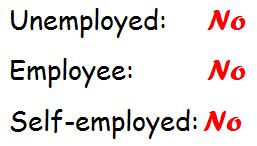
Nontrepreneurialism: you want to work, but neither as an employee, nor as your own boss
The Economist calls you a post-materialist: you don’t feel driven by materialist ambitions. You just need enough to maintain your existing lifestyle, rather than improve it. But what does ‘not being your own boss’ mean in this context?
Innovation where it’s needed: malnutrition
The name Plumpy’nut may sound quirky, but this ridiculously simple product idea is already keeping countless famine-struck children from starvation and will save millions of lives

The innovation policy problem is not just an innovation problem
It’s an engagement and integration problem

Prosthetics beyond disability: the bionic user experience
Looking for a video covering the latest developments in the interface between flesh, mind and machine, from fully functional transplants to limb replacements offering superhuman capabilities?

Where does 3D entertainment end and the rest of 3D innovation begin?
How do you draw the line between entertainment and non-entertainment uses? Who drives the innovation? Does industry get its inspiration from cinema and gaming, or is the entertainment business merely exploiting the technological advances made by the manufacturing industry?
Turning staff into startups
Should employers turn their business into startup factories? How could we make this happen?

Startup Accelerator Nation
Ten ideas for weaving the lean, low-investment, iterative, failure-tolerant, build-measure-learn attitude toward giving people constructive ways to spend their time into the fabric of every culture

Mainframes in our cultural DNA: gone today, here tomorrow?
The detail of our individual genetic makeup is already being used to make diagnoses and treatment decisions, albeit in a slow and cumbersome way. The sheer scale of the computational horsepower that doing this in real time will demand promises to bring the hulking mainframe computer back from the grave

Put it all on Jack?
Twitter? Maybe he just got lucky. Square, the way to pay with your phone? Others may beat him to it. Square, the way to turn the rest of us into merchantpreneurs? Mr Dorsey may yet live to rule our world

The iij Upcoming Top Ten Organisational Innovation Books
One theme that appears often in many of these volumes? Discovery processes. If the word ‘innovation’ appears anywhere in your job description, you already know that discovering new discovery processes is a double-edged sword

Innovations in socio-gonzo kiss and tell
TechCrunch writers Paul Carr and Sarah Lacy explore taking this to the next stage: he’s just brought out a memoir, The Upgrade, which breaches confidentiality pledges he made to her. Their unguarded video chat exposes intriguing differences between his blogger and book-writer personas. The book’s film rights have just been sold: so who will play Mike Arrington?